A Much Needed Energy Policy Change in Ontario
One Individual Against an Outdated Energy System
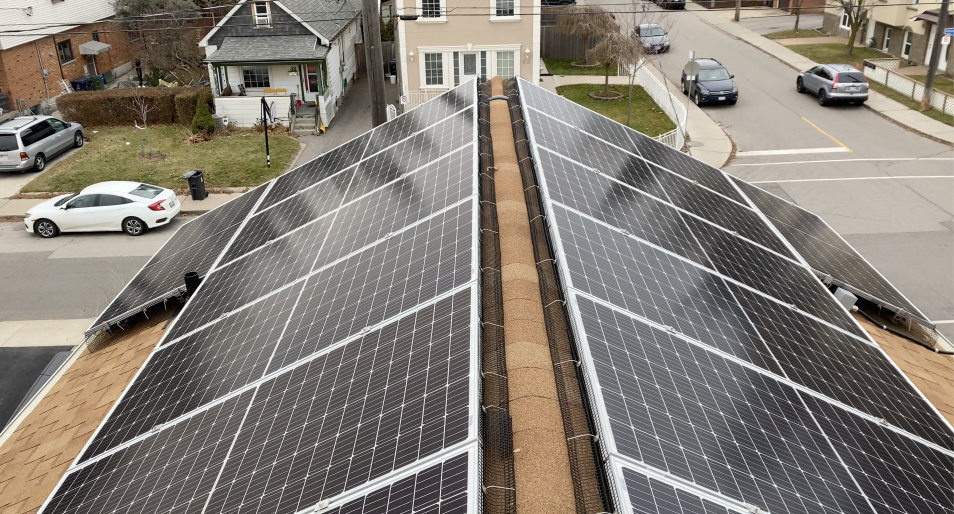
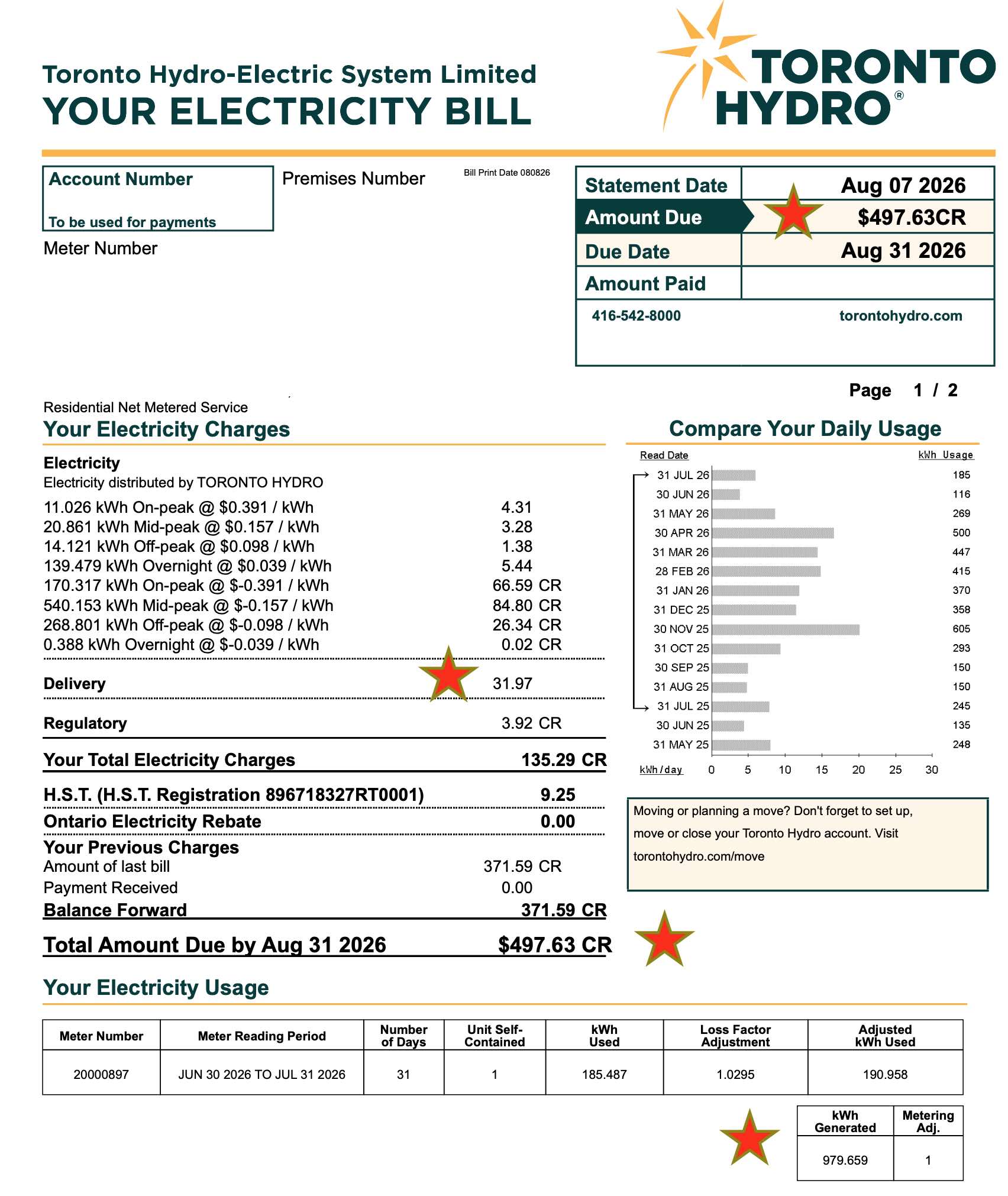
In 2019, I naively believed that installing solar panels was simple: connect to Toronto Hydro’s new net meter and generate / contribute as much clean electricity as is possible...
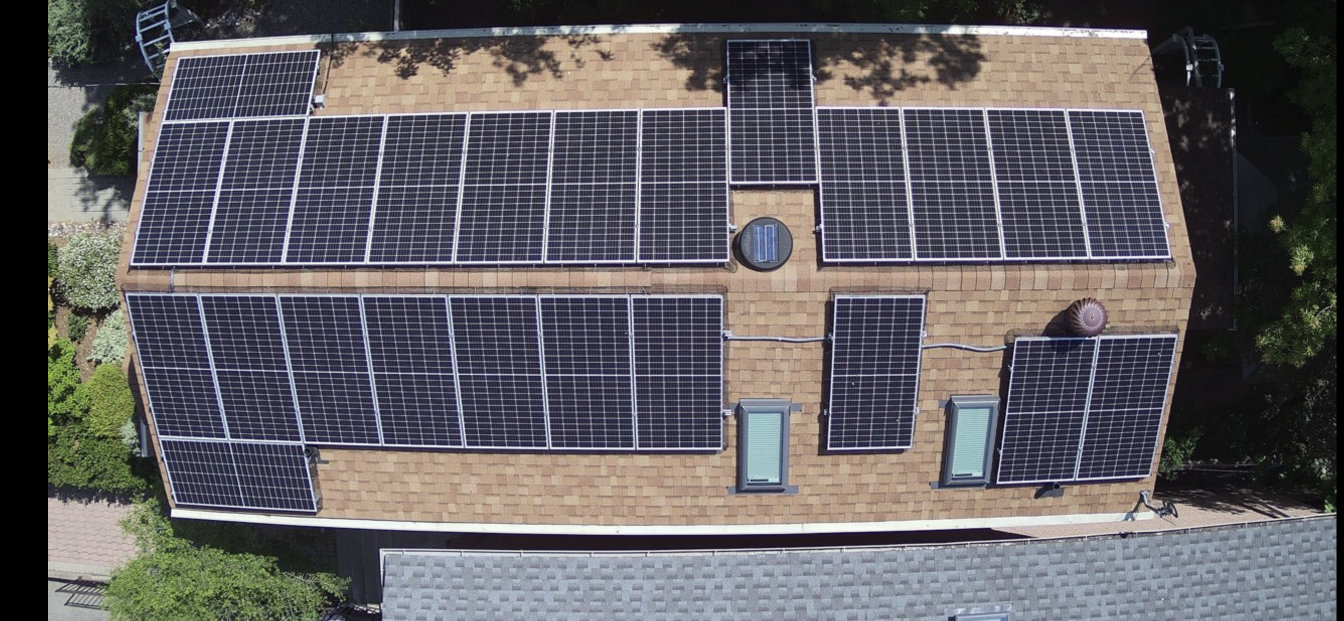
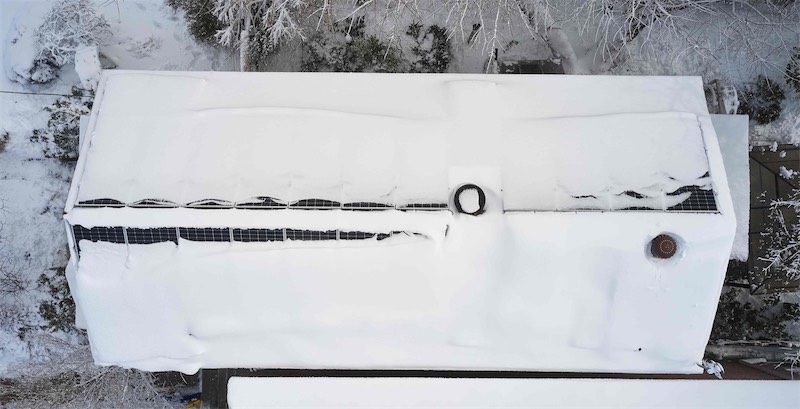
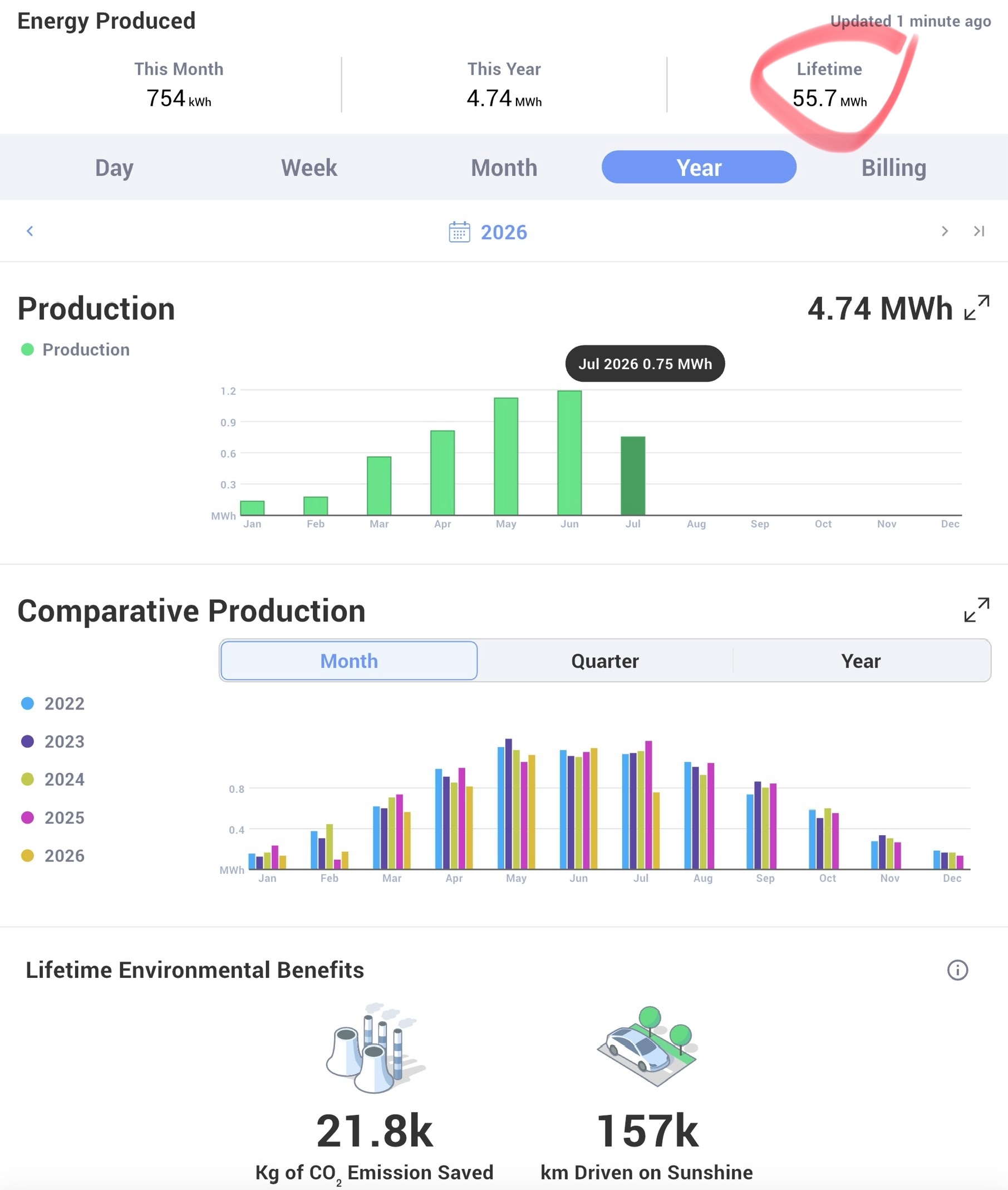
It worked; my system now consistently generates over 10 megawatts every year, and eventually it began producing more electricity than I consumed - on purpose, of course. This has resulted in a rolling reliable Credit on my monthly bills - but one that has never been actually paid.
So in the beginning, I repeatedly called Toronto Hydro every month with a simple question:
“Why do I never get paid for the surplus electricity I’m supplying to the grid?”
Everyone in the call center that I randomly spoke with at Toronto Hydro was confused; all agreed that a credit was obviously owed, but they had never encountered a customer in a surplus position before, and so they had no “script” to explain it away. My questions were repeatedly passed “upstairs,” and it took more than a year to get any kind of answer.
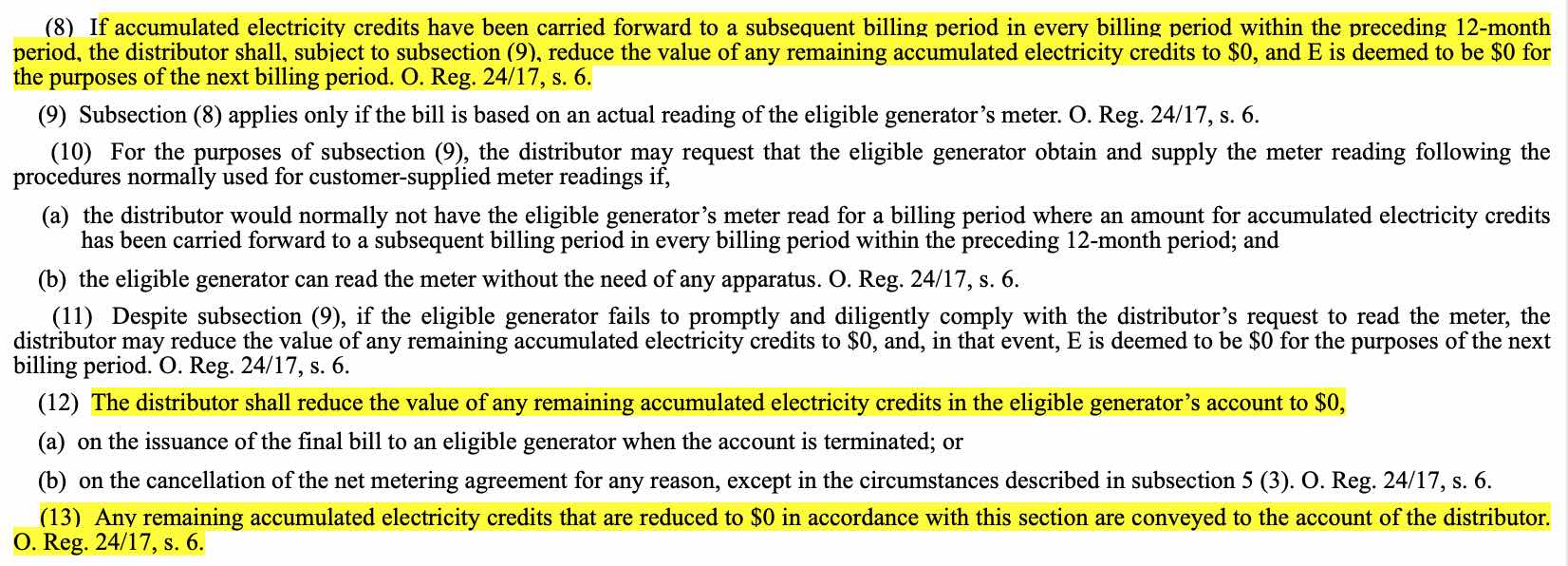
Eventually, someone at Toronto Hydro sent an anonymous email that directed me to an old regulation deep in the Ontario government website: Subsection 8 of Ontario Regulation 541/05 Net Metering to explain that they are forced to enforce an incredibly dysfunctional 2018 policy for the Ford Government; one that is not even slightly relevant in 2026.
In effect, Ford's Policy states: that if you spend your own money on wind and solar equipment, and it generates power for the Ontario Grid, you are only allowed to generate as much power as you personally use, but any excess power and the money you are owed for that power, again; over your own personal use: the Ford Government uses Toronto Hydro to appropriate your power and literally steals your money that is owed, every year. You have no recourse, or any opportunity to apply your Toronto Hydro credits earned to the original cost of your equipment.
This single 2018 Policy has effectively neutered an entire industry sector in Ontario.
I didn’t understand it back in the day, but I personally witnessed an entire developing cottage industry - all the sales, technical skill sets and installation jobs get completely wiped out overnight. No one I talked to could really articulate why this hammer dropped on them… but this Policy… is why.
So I discovered that this wasn't a Toronto Hydro decision; the utility is legally required to follow Ontario’s outdated net metering rules governing "surplus generation credits”. A policy meant to solve a problem that does not exist today.
What should have been a completely straight forward transaction - energy for money - has instead become completely bogged down across Ontario by a regressive 2018 Ontario Government Policy.
For years, I tried to understand how this could be possible - and to get any kind of explanation as to why a system supposedly designed to encourage renewable generation would impose hard financial limits on everyone who deliberately invests their money to intentionally generate more electricity than they consume - to contribute to a positive change against an increasingly massive climate problem we are all incrementally experiencing globally...
I eventually learned how unusual my situation really is: only 2% of Toronto Hydro customers ever generate more electricity than they use, and as far as I could determine; no one in that small group has ever challenged the premise that their surplus credits will expire and their money and power contributed is effectively stolen from them every year...
So the outdated system just continues to roll on regardless; not because it is remotely a good policy, but because very few people encounter it closely enough to even question it and it’s so much easier to be complacent; to not question this old policy and the resulting tax grab - it's just not worth the massive effort it takes to go up against Toronto Hydro, the Ontario Energy Board and the Provincial Government.
A Policy That No Longer Fits the Technology
My years of direct experience illustrate a much larger problem: the Ontario Government's 2018 policy has completely failed to keep pace with current energy technology advancements.
I invested my own money in equipment that generates clean electricity. I did exactly what all levels of governments encourage Canadians to do: invest privately, reduce reliance on the grid and generate lots of renewable power.
Yet as modern technology becomes ever more efficient - enough to constantly produce a genuine surplus, any financial incentive has completely disappeared - intentionally.
Ontario clearly needs more electricity, so why directly discourage Ontarians from generating it?
The current system creates an artificial financial ceiling on personal generation, discouraging larger installations, private investment and household energy independence.
One individual cannot transform Ontario’s electricity system, but thousands - or millions - of individuals investing in personal generation, storage and efficiency can make a huge difference.
This is the massive opportunity Ontario and Canada is completely missing !
The Solution: Equal Parity Billing
Ontario should modernize Subsection 8 of Ontario Regulation 541/05 and replace the current restrictive credit system with true Parity Billing:
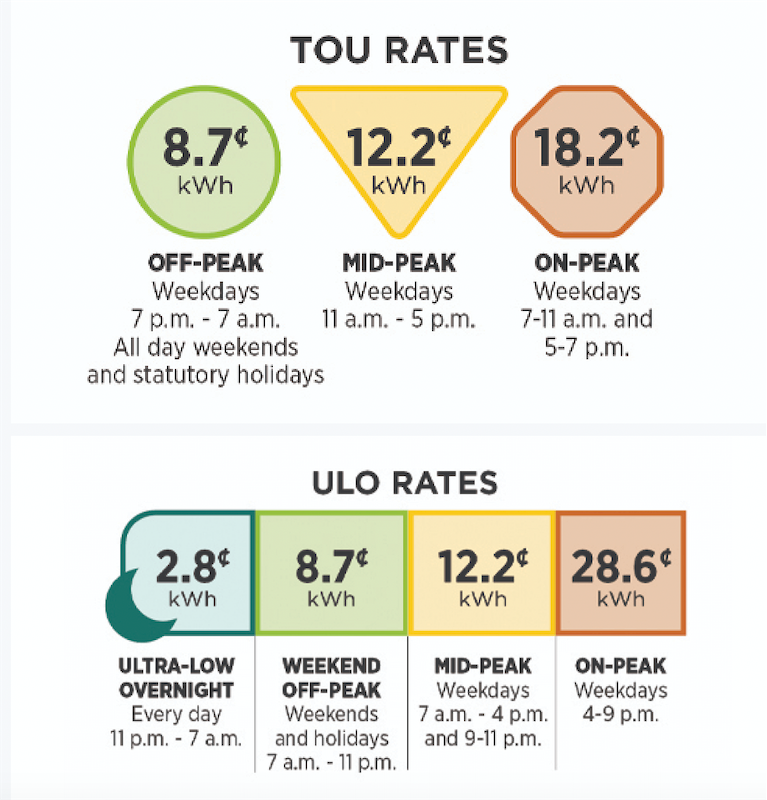
- Customers pay the publicly posted Time-of-Use rate for the electricity they consume.
- Customers receive that same publicly posted rate for the electricity they contribute to the grid.
- Surplus generation is paid rather than lost through expiring credits.
- Personal power-generation income should be tax-exempt to encourage voluntary, subsidy-free investment.
The principle is simple:
Electricity should have the same transparent value regardless of which direction it flows.
No arbitrary credit limits.
No annual expiration.
No complicated exceptions.
No hidden financial restrictions.
This is not another government subsidy that can be “gamed” by clever people. It is a truly transparent, market-based system that allows people to invest their own money in their own energy production and receive equal, fair compensation for what they supply.
Let Ontarians Help Build the Grid
Ontario needs more power generation and greater grid resilience as electricity demand grows and now extreme weather increases the pressure on the Grid.
Thousands of privately owned solar, battery and other generation systems could collectively provide a very significant layer of decentralized redundant capacity.
Instead of treating homeowners as passive consumers, Ontario can enable them to be active participants in building a modern electricity system.
That means greater private investment, autonomy via lower household energy costs, more distributed generation and a more resilient grid - all without requiring another major government subsidy program, or further expanding the Government’s ever increasing debt load.
Doug Ford Has an Opportunity to Fix His Own Policy
Doug Ford’s 2018 restrictions may have addressed legitimate problems that existed at that time, but it is now 2026, and both the technology and Ontario’s energy needs have changed dramatically.
Policies must evolve when circumstances change.
Ontario should not remain locked into yesterday’s solution while today's technologies create ever new opportunities.
Delete the outdated financial restrictions. Replace them with simple, transparent Parity Billing. Let Ontarians invest in their own energy future.
After seven years of trying to understand and challenge the currently dysfunctional system, I have reached an uncomfortable conclusion: the biggest obstacle isn't the technology at all; it is the people in Government who deliberately go along with and impede the many possible solutions available today.
It is our complacent willingness to accept outdated rules simply because changing them seems too difficult; Ontario does not have to choose between fiscal responsibility and energy innovation; it can and should have both.
We also need a Hybrid approach to Energy that includes Natural Gas - nothing else comes close to a high efficiency natural gas furnace, during the dark months of cold Canadian winters...
Recap
Canada Needs to Stop Holding Its Energy Future Back
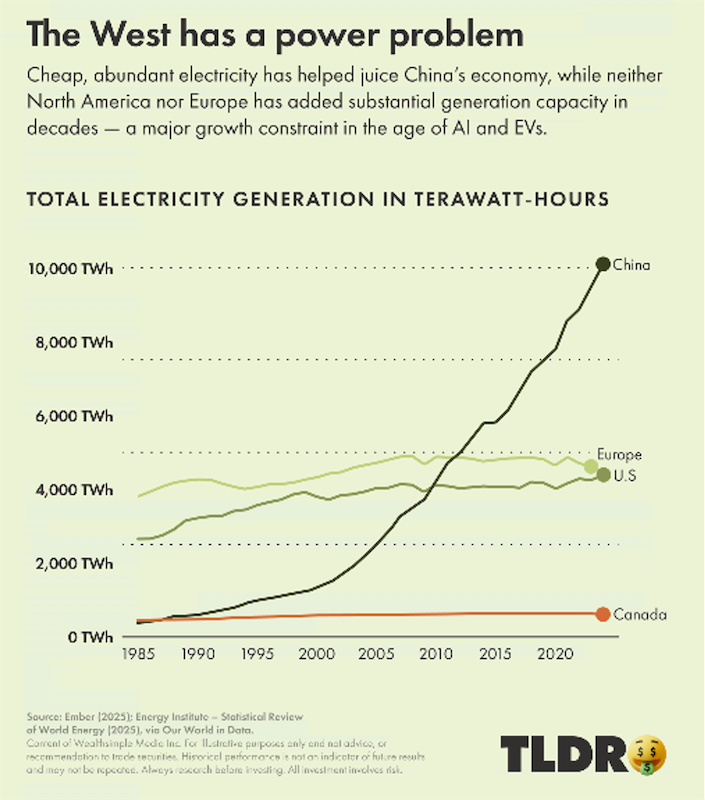
Ontario - and Canada as a whole, has fallen far behind much of the world in deploying modern energy technologies.
The problem is no longer simply a lack of technology. The technology has existed for a long time. The bigger problem is government policy, regulatory delay, and a total apathetic lack of urgency while we experience ever increasing extreme storms and flooding, and do nothing proactive about it.
All while countries like China continue to add enormous amounts of renewable generation (a Germany sized grid every year), Canada remains constrained by outdated politics and policies that discourage individuals from investing in their own independant energy production.
That needed to change a long time ago, but no one is willing or able to make this obvious change.
Standardize Energy Integration
Solar panels, wind generation, batteries, smart inverters, heat pumps, EV chargers and modern net-metering equipment should become standard components of new home construction and major retrofits.
Just as Plumbing and HVAC systems are fundamental elements of modern Canadian housing, distributed energy infrastructure should also become part of basic building standards.
This would allow every new home to be designed with the capacity to generate, store, manage and efficiently use and contribute electricity.
Delete the Outdated and Restrictive 2018 Government Policy, and Replace it with Equal Parity Billing
If a customer buys electricity from the grid at a publicly posted rate, electricity that customer supplies back to the grid should receive the same publicly posted rate.
No complicated formulas.
No arbitrary credit limits.
No expiring credits.
No hidden clawbacks.
One unit of electricity should have the same value regardless of which direction it flows.
A system this simple would be difficult to manipulate by unscrupulous people, easy for regular consumers to understand, and would create a direct financial incentive for private investment, by enabling the autonomy of the individual.
Turn Consumers Into Energy Producers
Government should remove unnecessary financial barriers to personal energy generation—including taxation that discourages small-scale generation and instead encourage micro-generation, energy efficiency and storage through modern building standards.
The objective isn't to create another government subsidy program. It is to remove the policy barriers that prevent Canadians from investing their own money in energy infrastructure.
Thousands of individually owned solar, wind, battery and efficiency systems could collectively provide a significant new layer of distributed capacity. During extreme weather and periods of peak demand, that decentralized capacity could help reduce the pressure on our centralized grid.
Energy Independence Starts at Home
Policy reform must be combined with Public Education so that Canadians understand how modern energy technologies can reduce their costs while strengthening the electricity system.
The goal should be straightforward:
Give Canadians the direct ability and control to lower their Utility costs; to become active incremental participants in building the energy systems of the future.
Canadians don't want or need to be dependant on Government Bureaucracy to finance every new megawatt of capacity. Government can create meaningful and benign policies that enable millions of individual investments to build that capacity at home, from the ground up.
That means less dependence on centralized infrastructure, greater energy redundancy and resilience, increased private investment, and ultimately greater Canadian energy independence and sovereignty. 🇨🇦
The technology is quickly moving forward with or without us.
Governments and their outdated restrictive Policies desperately need to catch up !
Here is the link to the Government policy in question;
Subsection 8 of Ontario Regulation 541/05.
References
Let's talk about missing our chance with climate change
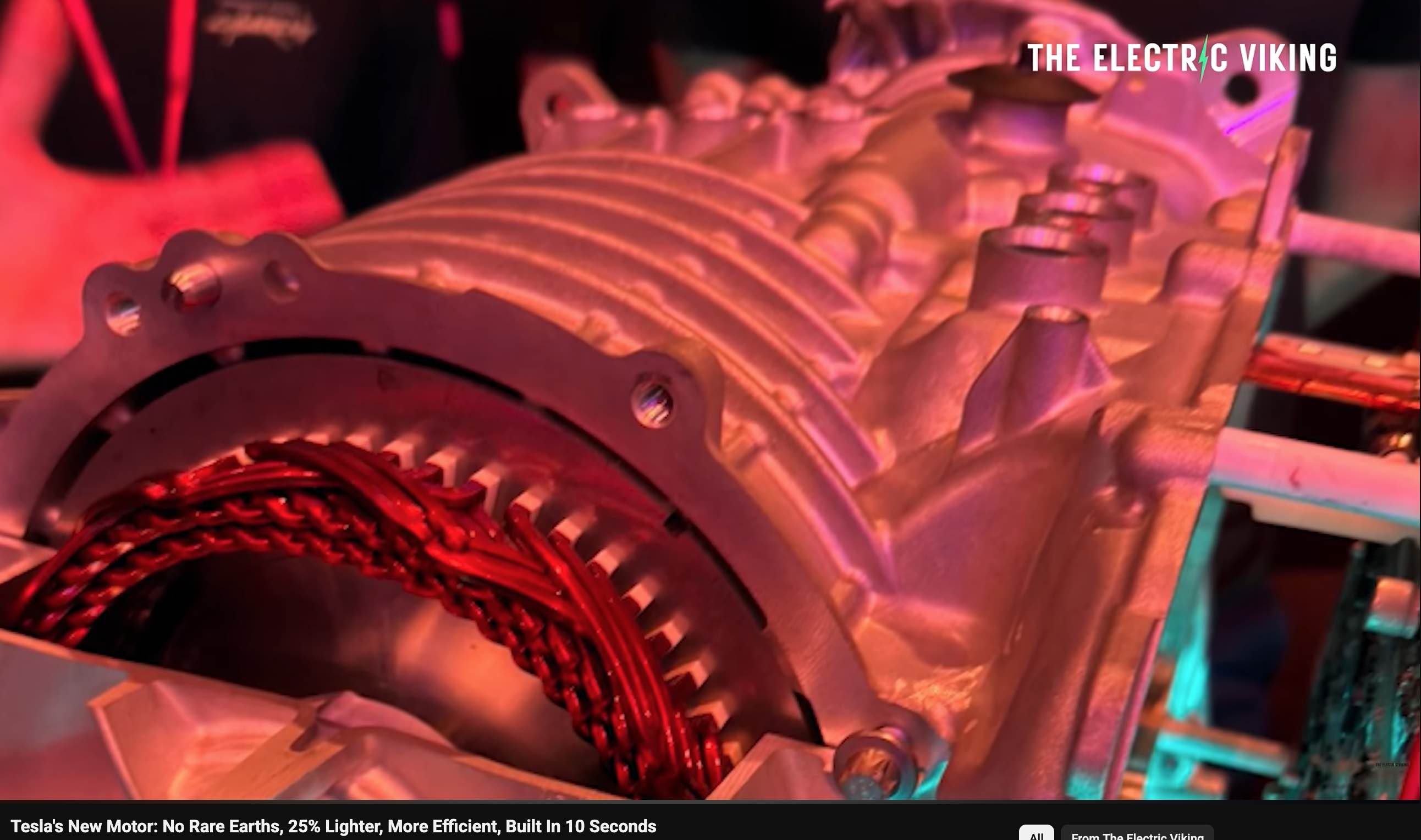
No Rare Earths, 25% Lighter, More Efficient, Built In 10 Seconds
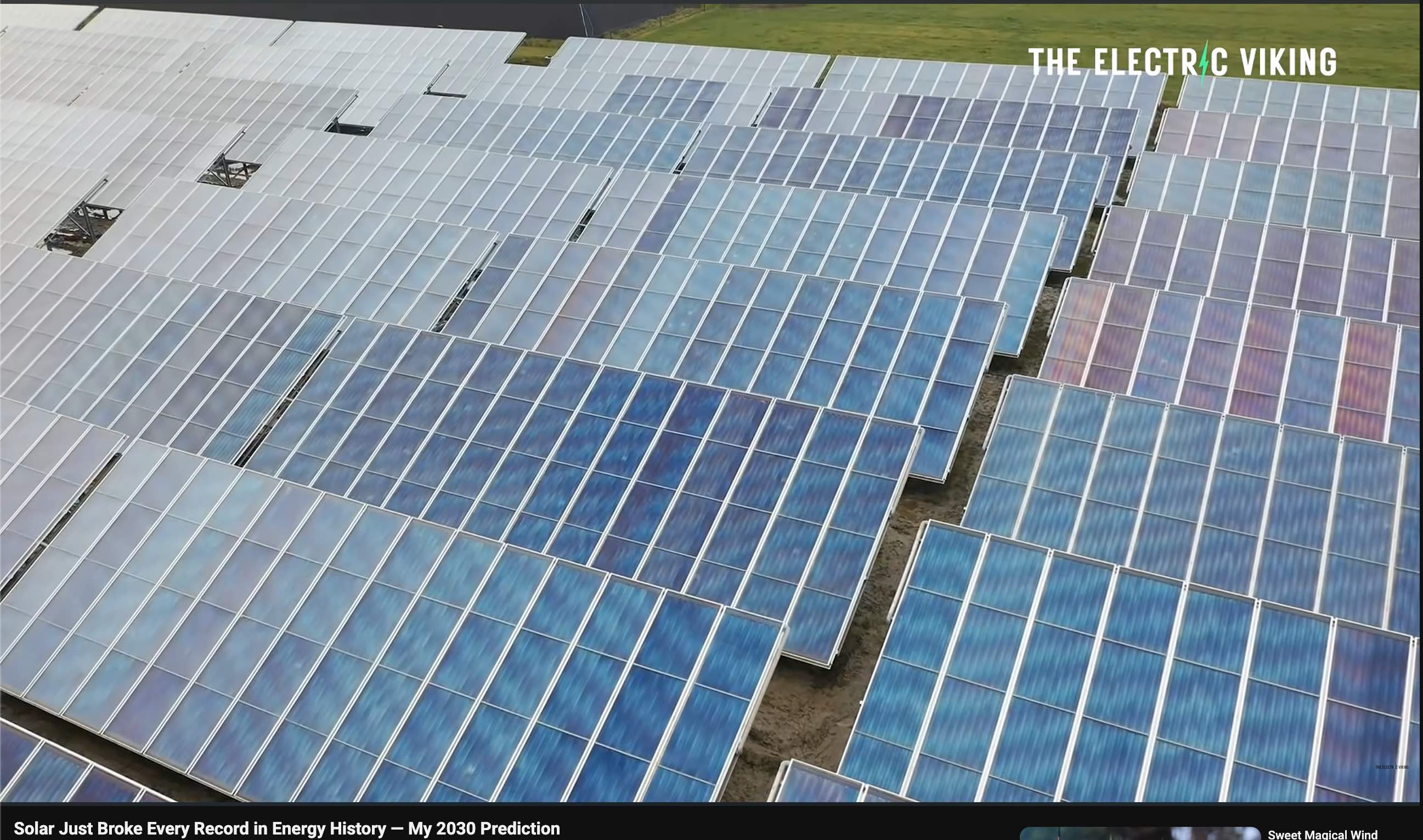
Solar Just Broke Every Record
in Energy History
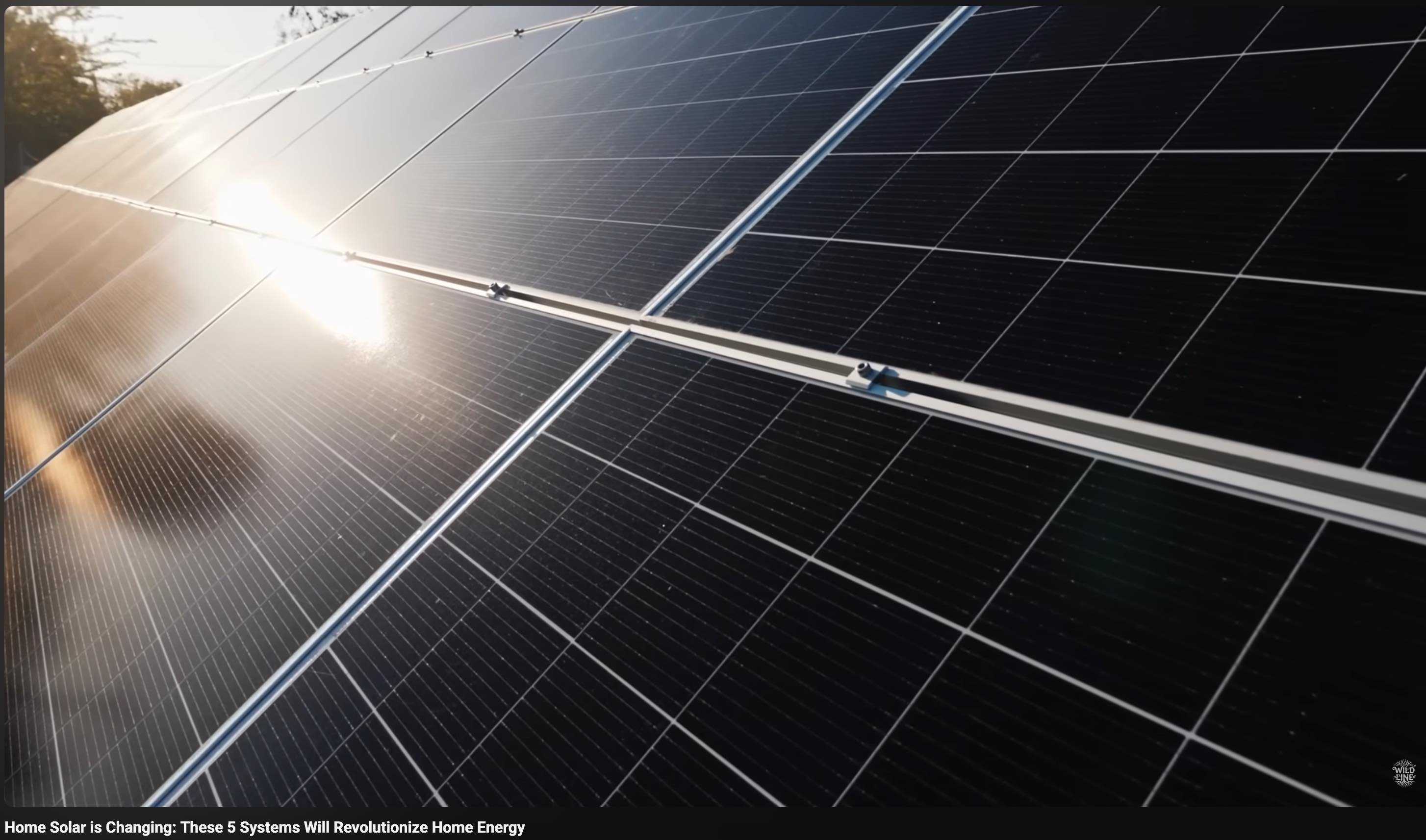
Next Generation Solar

Emerging Markets Choose Solar, Batteries, EVs Over Fossil Fuels
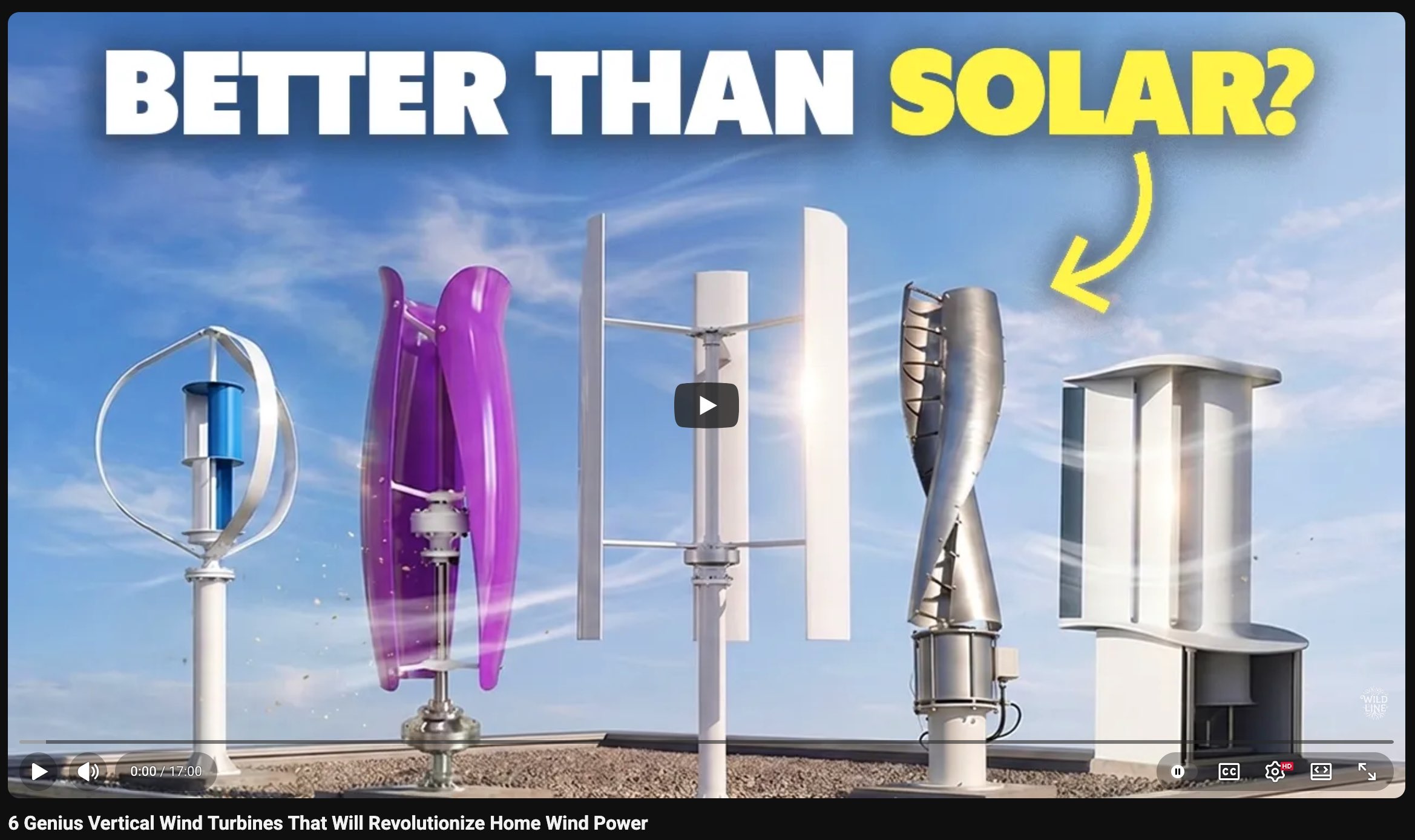
6 Genius Vertical Wind Turbines That Will Revolutionize Home Wind Power

A $700 Battery That Pays For Itself by Selling Power Back To The Grid
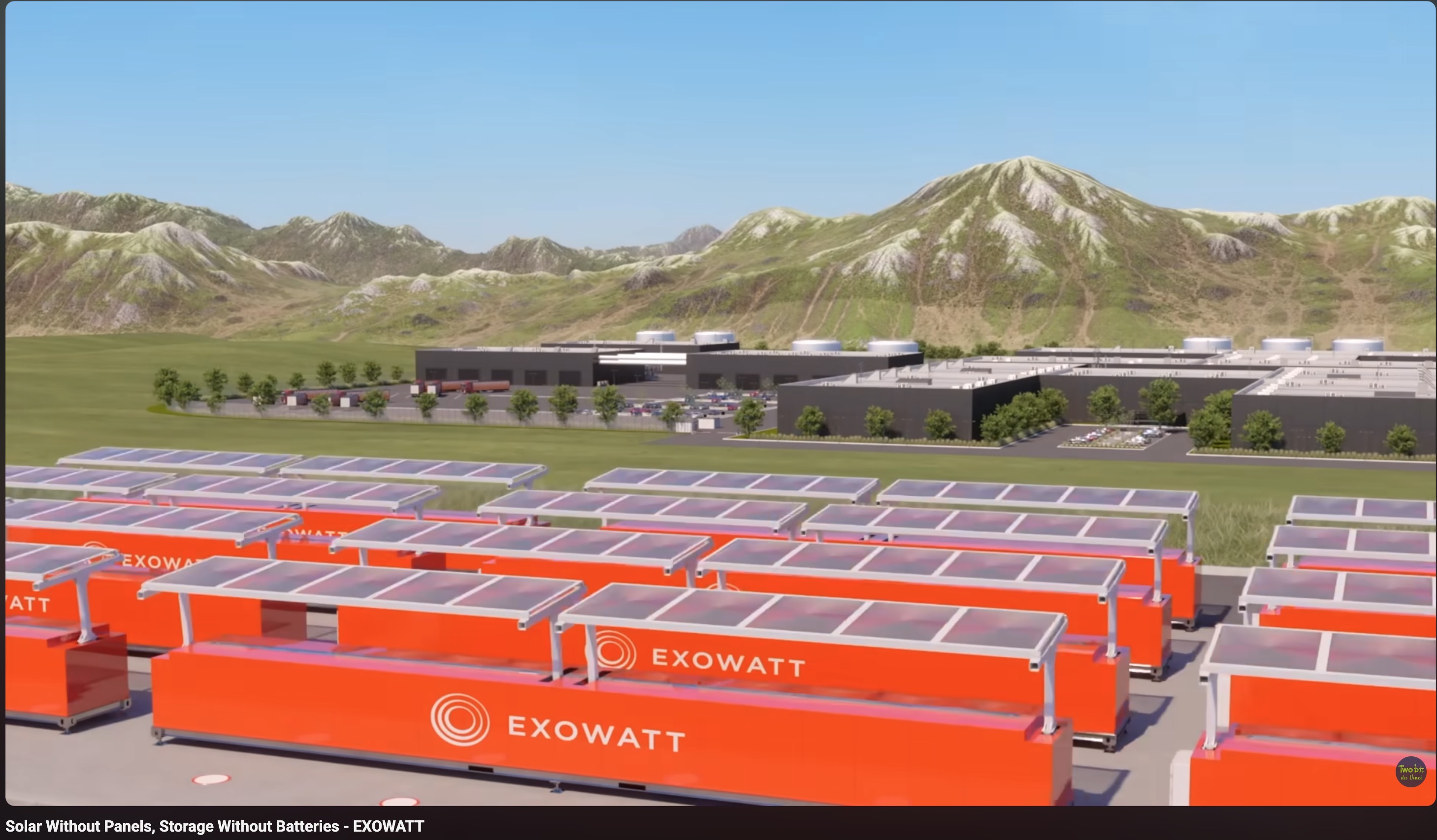
Solar Without Panels,
Storage Without Batteries

BYD's $20 Battery Just Killed the Last Argument Against Renewables
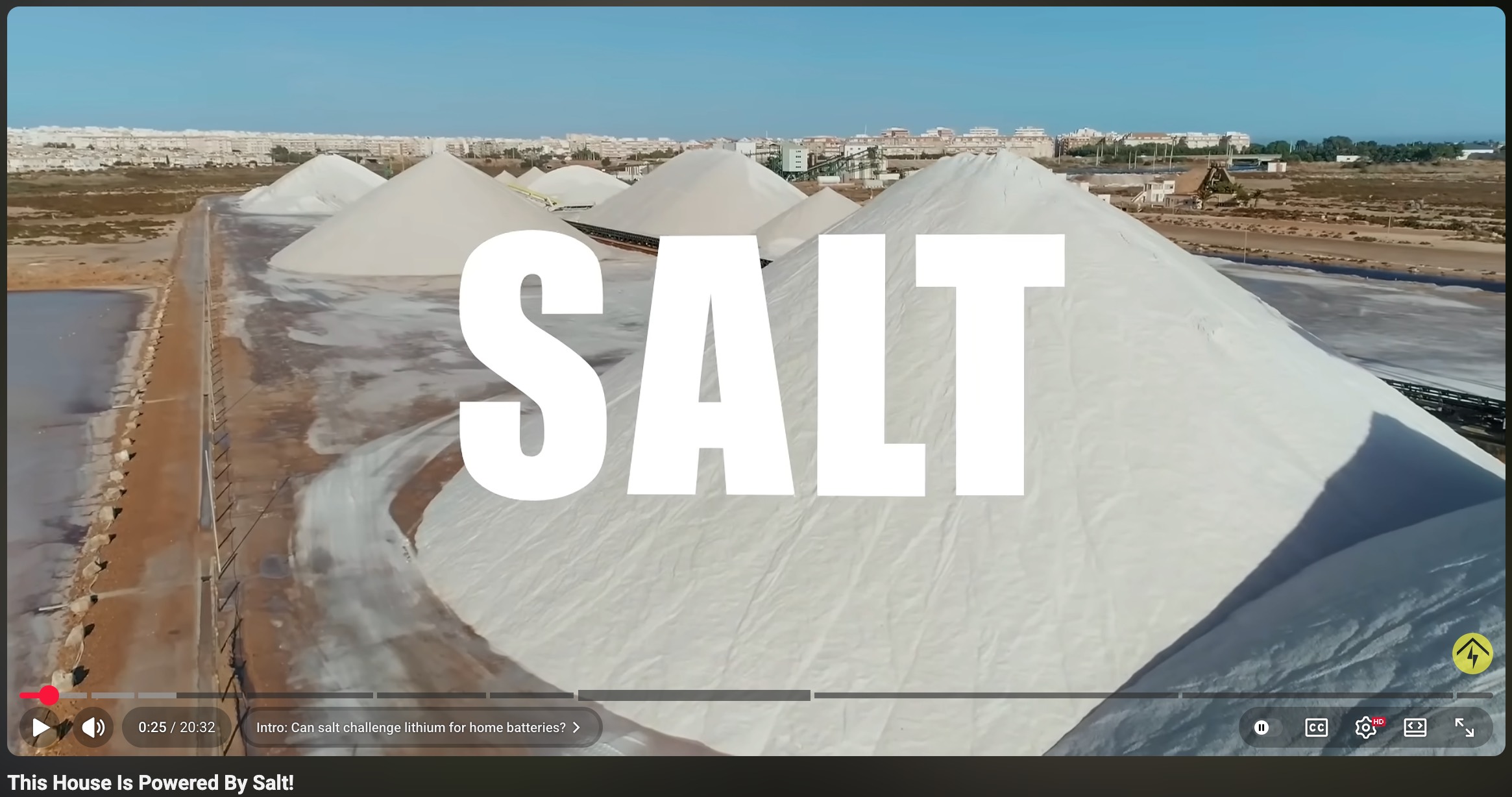
This House Is Powered By Salt!
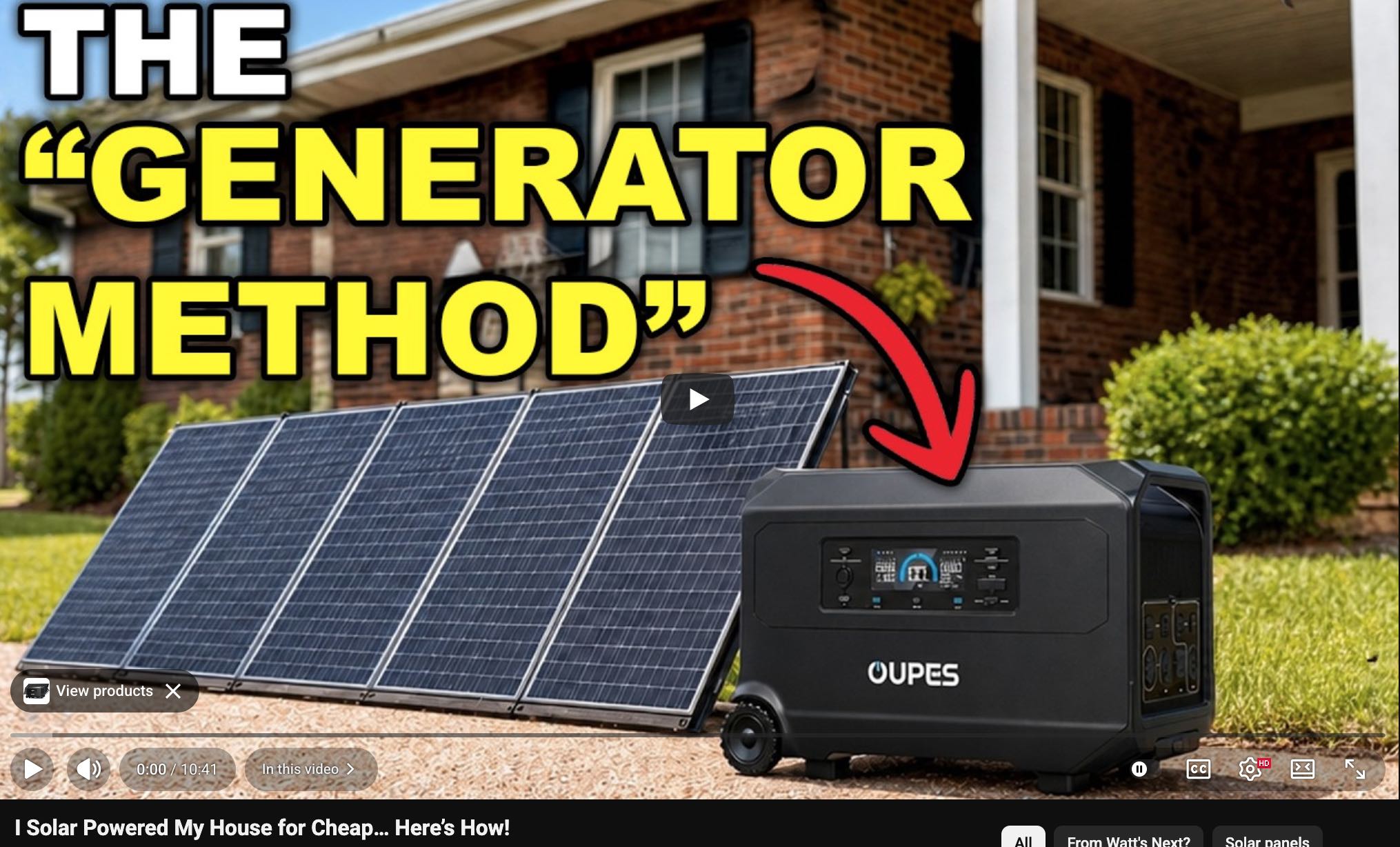
Solar Powered My House - Here’s How
This Homeowner Put Solar Panels on His WALL ! Here's What Happened !

The FUTURE of Solar Is Here!
Best New Tech from Intersolar 2026
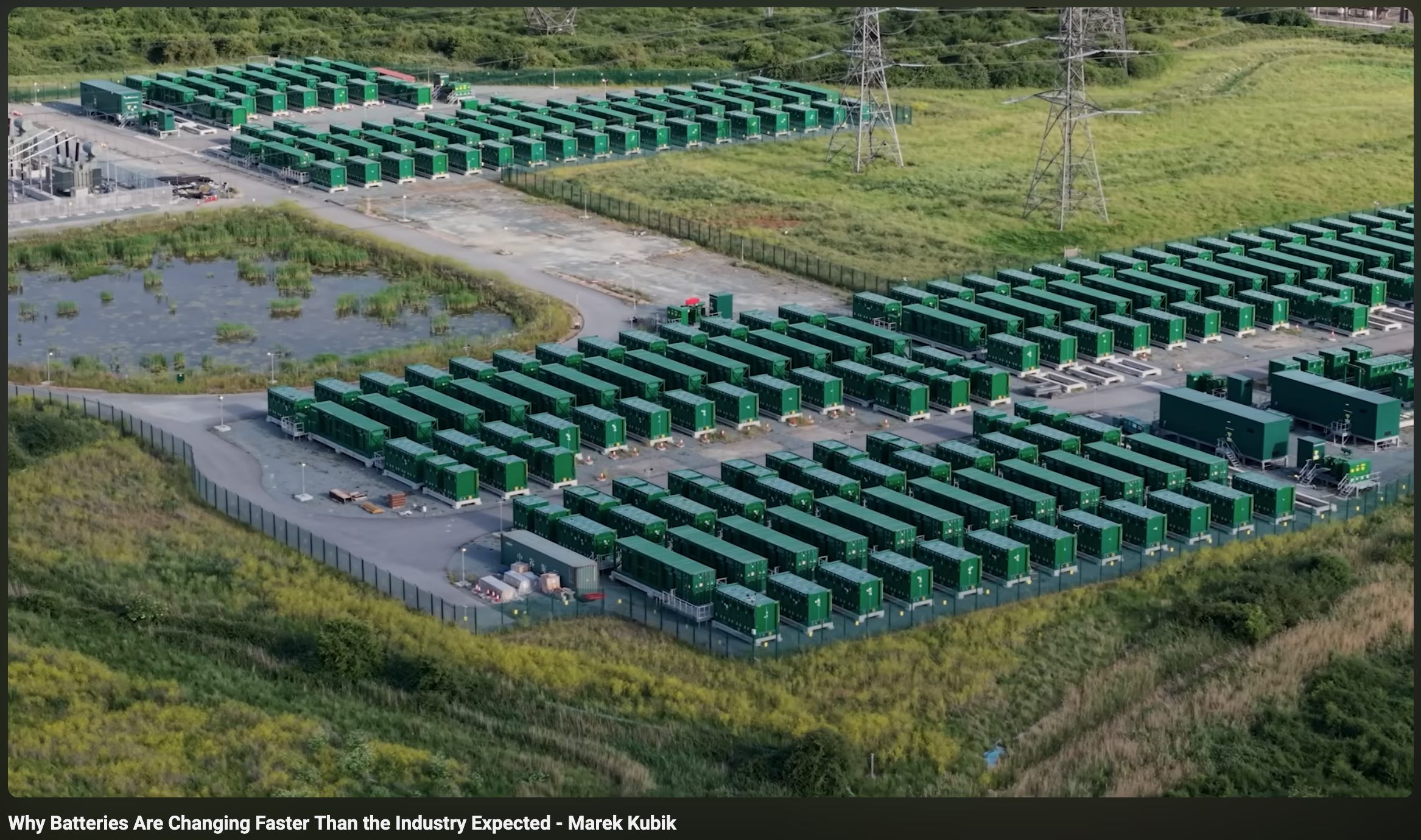
Why Batteries Are Changing Faster Than the Industry Expected
Why The US is Stuck at 10% EVs
Toronto ON Canada
© 2026 Good Media Inc. All Rights Reserved.
Unauthorized distribution, transmission or republication strictly prohibited.